OUR LATEST INSIGHTS

Up to date, high-level business information that is relevant to our clients and contacts, helping keep up to date on the ver-changing business world of today.

Terri Braun / January 27, 2026

Featured Client McCoy Bus Service

Located in Kingston, Ontario, McCoy Bus Service specializes in a variety of transportation options and expertly planned trips including wine tours, getaways, casino and airport shuttles, and coach services. With a focus on safety and customer satisfaction, it provides tailored travel experiences designed to meet the needs of groups of all sizes.

t

[email protected] / January 27, 2026

Energy Challenges Unique to Warehouses and Distribution Centers

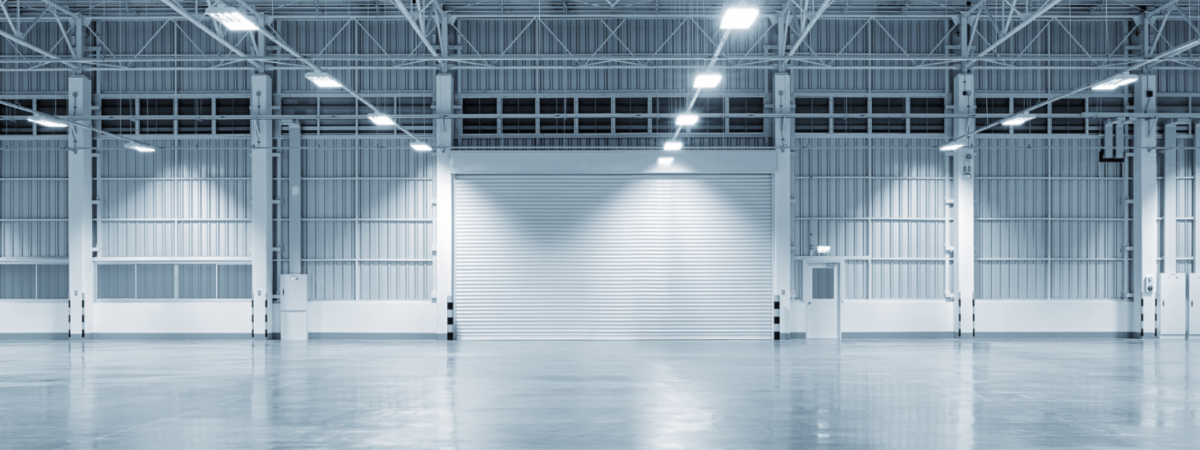
Warehouses and distribution centers are designed for efficiency, but energy isn’t always part of the equation. Their large size, fluctuating activity, and energy-intensive equipment create unique challenges, often driving costs that feel unavoidable. High ceilings, open layouts, and large bay doors mean energy is spent heating rising air, cooling underused spaces, and lighting massive areas, even when they’re unused. Spread across such large spaces, these inefficiencies quietly inflate energy usage without immediate notice.

The Scale Problem: Heating, Cooling, and Lighting Massive Spaces

Unlike office buildings, warehouses rarely have consistent occupancy throughout the building. Yet heating, ventilation and air conditioning (HVAC) as well as lighting systems are often designed to treat the entire facility as one uniform space. Considering 17% of commercial buildings in the U.S. are warehouse and storage buildings, that adds up to a significant amount of wasted energy.

Picking areas or shipping lanes may see constant activity, while storage aisles or overflow areas are used sporadically, so energy is used to condition and light areas that may often be unoccupied. Without controls that take into account different zones and occupancies, businesses end up paying to light, heat, and cool areas that aren’t actively supporting daily operations. Over time, this “one-size-fits-all” approach leads to ongoing waste that’s difficult to detect without a closer look at when and where energy is being consumed.

Equipment That Runs Around the Clock

Warehouses and distribution centers rely on energy-intensive equipment like conveyors, charging stations, automated systems, and material-handling machinery. This heavy-duty equipment requires a substantial power source. Even when not in active use, much of this equipment continues drawing power. Extended operating hours, overnight charging, and idle systems add to energy consumption. This creates a situation where energy usage remains high regardless of actual productivity.

Seasonal Spikes That Become Permanent Costs

Every industry has its peak season, which likely requires longer hours, added shifts, and increased output. Energy usage rises accordingly, but the problem begins when those temporary changes aren’t reversed back.

Lighting schedules, HVAC settings, and equipment run times adjusted for peak demand frequently remain in place long after volumes return to normal. As a result, businesses can find themselves paying peak-level energy costs year-round without realizing it.

Aging Infrastructure and Deferred Upgrades

Many warehouses operate in older buildings with outdated lighting, HVAC systems, or insulation. While these systems may still function, they are rarely efficient by modern standards. Upgrades are often postponed in favor of seemingly more essential operational spending. Unfortunately, the longer these inefficient systems remain in place, the more they quietly drain budgets over time through higher energy consumption and maintenance costs.

How Can It Be Combatted?

Addressing warehouse energy challenges doesn’t require a total overhauling of operations. Small, targeted changes can make a measurable difference, such as implementing zone-based lighting and motion sensors to limit energy use to active areas, or scheduling equipment more efficiently to reduce idle power draw.

Get To Know Usage Patterns

Regularly reviewing energy usage patterns will help to identify hidden inefficiencies and ensures that the energy being used supports operations rather than running independently of them. For a busy warehouse manager, this can be a daunting task. Partnering with a third-party consultant to provide expert analysis and actionable recommendations allows them to focus on day-to-day operations instead.

Energy Control Is an Operational Advantage

Warehouses and distribution centers will always require energy, but wasted energy is not inevitable. By understanding the unique challenges these facilities face and regularly reviewing how energy is used, businesses can turn energy from an uncontrollable overhead cost into a managed operational expense.

The most efficient facilities aren’t just moving faster; they’re ensuring every dollar spent on energy supports real productivity.


[email protected] / January 26, 2026

Featured Client OEM Fleets

Located in Mississauga, Ontario, OEM Fleets was founded in 2019 and specializes in fleet maintenance and repair services. It provides preventative maintenance, diagnostic work, and complete repair solutions designed to minimize downtime and keep vehicles safe and reliable.

Ian Nairn / January 26, 2026

Energy Challenges Unique to Warehouses and Distribution Centers

Warehouses and distribution centers are designed for efficiency, but energy isn’t always part of the equation. Their large size, fluctuating activity, and energy-intensive equipment create unique challenges, often driving costs that feel unavoidable. High ceilings, open layouts, and large bay doors mean energy is spent heating rising air, cooling underused spaces, and lighting massive areas, even when they’re unused. Spread across such large spaces, these inefficiencies quietly inflate energy usage without immediate notice.

The Scale Problem: Heating, Cooling, and Lighting Massive Spaces

Unlike office buildings, warehouses rarely have consistent occupancy throughout the building. Yet heating, ventilation and air conditioning (HVAC) as well as lighting systems are often designed to treat the entire facility as one uniform space. Considering 17% of commercial buildings in the U.S. are warehouse and storage buildings, that adds up to a significant amount of wasted energy.

Picking areas or shipping lanes may see constant activity, while storage aisles or overflow areas are used sporadically, so energy is used to condition and light areas that may often be unoccupied. Without controls that take into account different zones and occupancies, businesses end up paying to light, heat, and cool areas that aren’t actively supporting daily operations. Over time, this “one-size-fits-all” approach leads to ongoing waste that’s difficult to detect without a closer look at when and where energy is being consumed.

Equipment That Runs Around the Clock

Warehouses and distribution centers rely on energy-intensive equipment like conveyors, charging stations, automated systems, and material-handling machinery. This heavy-duty equipment requires a substantial power source. Even when not in active use, much of this equipment continues drawing power. Extended operating hours, overnight charging, and idle systems add to energy consumption. This creates a situation where energy usage remains high regardless of actual productivity.

Seasonal Spikes That Become Permanent Costs

Every industry has its peak season, which likely requires longer hours, added shifts, and increased output. Energy usage rises accordingly, but the problem begins when those temporary changes aren’t reversed back.

Lighting schedules, HVAC settings, and equipment run times adjusted for peak demand frequently remain in place long after volumes return to normal. As a result, businesses can find themselves paying peak-level energy costs year-round without realizing it.

Aging Infrastructure and Deferred Upgrades

Many warehouses operate in older buildings with outdated lighting, HVAC systems, or insulation. While these systems may still function, they are rarely efficient by modern standards. Upgrades are often postponed in favor of seemingly more essential operational spending. Unfortunately, the longer these inefficient systems remain in place, the more they quietly drain budgets over time through higher energy consumption and maintenance costs.

How Can It Be Combatted?

Addressing warehouse energy challenges doesn’t require a total overhauling of operations. Small, targeted changes can make a measurable difference, such as implementing zone-based lighting and motion sensors to limit energy use to active areas, or scheduling equipment more efficiently to reduce idle power draw.

Get To Know Usage Patterns

Regularly reviewing energy usage patterns will help to identify hidden inefficiencies and ensures that the energy being used supports operations rather than running independently of them. For a busy warehouse manager, this can be a daunting task. Partnering with a third-party consultant to provide expert analysis and actionable recommendations allows them to focus on day-to-day operations instead.

Energy Control Is an Operational Advantage

Warehouses and distribution centers will always require energy, but wasted energy is not inevitable. By understanding the unique challenges these facilities face and regularly reviewing how energy is used, businesses can turn energy from an uncontrollable overhead cost into a managed operational expense.

The most efficient facilities aren’t just moving faster; they’re ensuring every dollar spent on energy supports real productivity.

/ January 26, 2026

Energy Challenges Unique to Warehouses and Distribution Centers

Warehouses and distribution centers are designed for efficiency, but energy isn’t always part of the equation. Their large size, fluctuating activity, and energy-intensive equipment create unique challenges, often driving costs that feel unavoidable. High ceilings, open layouts, and large bay doors mean energy is spent heating rising air, cooling underused spaces, and lighting massive areas, even when they’re unused. Spread across such large spaces, these inefficiencies quietly inflate energy usage without immediate notice.

The Scale Problem: Heating, Cooling, and Lighting Massive Spaces

Unlike office buildings, warehouses rarely have consistent occupancy throughout the building. Yet heating, ventilation and air conditioning (HVAC) as well as lighting systems are often designed to treat the entire facility as one uniform space. Considering 17% of commercial buildings in the U.S. are warehouse and storage buildings, that adds up to a significant amount of wasted energy.

Picking areas or shipping lanes may see constant activity, while storage aisles or overflow areas are used sporadically, so energy is used to condition and light areas that may often be unoccupied. Without controls that take into account different zones and occupancies, businesses end up paying to light, heat, and cool areas that aren’t actively supporting daily operations. Over time, this “one-size-fits-all” approach leads to ongoing waste that’s difficult to detect without a closer look at when and where energy is being consumed.

Equipment That Runs Around the Clock

Warehouses and distribution centers rely on energy-intensive equipment like conveyors, charging stations, automated systems, and material-handling machinery. This heavy-duty equipment requires a substantial power source. Even when not in active use, much of this equipment continues drawing power. Extended operating hours, overnight charging, and idle systems add to energy consumption. This creates a situation where energy usage remains high regardless of actual productivity.

Seasonal Spikes That Become Permanent Costs

Every industry has its peak season, which likely requires longer hours, added shifts, and increased output. Energy usage rises accordingly, but the problem begins when those temporary changes aren’t reversed back.

Lighting schedules, HVAC settings, and equipment run times adjusted for peak demand frequently remain in place long after volumes return to normal. As a result, businesses can find themselves paying peak-level energy costs year-round without realizing it.

Aging Infrastructure and Deferred Upgrades

Many warehouses operate in older buildings with outdated lighting, HVAC systems, or insulation. While these systems may still function, they are rarely efficient by modern standards. Upgrades are often postponed in favor of seemingly more essential operational spending. Unfortunately, the longer these inefficient systems remain in place, the more they quietly drain budgets over time through higher energy consumption and maintenance costs.

How Can It Be Combatted?

Addressing warehouse energy challenges doesn’t require a total overhauling of operations. Small, targeted changes can make a measurable difference, such as implementing zone-based lighting and motion sensors to limit energy use to active areas, or scheduling equipment more efficiently to reduce idle power draw.

Get To Know Usage Patterns

Regularly reviewing energy usage patterns will help to identify hidden inefficiencies and ensures that the energy being used supports operations rather than running independently of them. For a busy warehouse manager, this can be a daunting task. Partnering with a third-party consultant to provide expert analysis and actionable recommendations allows them to focus on day-to-day operations instead.

Energy Control Is an Operational Advantage

Warehouses and distribution centers will always require energy, but wasted energy is not inevitable. By understanding the unique challenges these facilities face and regularly reviewing how energy is used, businesses can turn energy from an uncontrollable overhead cost into a managed operational expense.

The most efficient facilities aren’t just moving faster; they’re ensuring every dollar spent on energy supports real productivity.

[email protected] / January 23, 2026

Featured Client Maybury Material Handling

Located in East Longmeadow, Massachusetts, Maybury Material Handling is a provider of material handling equipment and related industrial services, including forklifts, conveyors, dock systems, and warehouse storage solutions. It offers parts, service, and repair for a range of equipment brands, as well as rentals, custom design, fabrication, and warehouse layout support.

[email protected] / January 23, 2026

Featured Client SurgOne

Located in Greenwood Village, Colorado, SurgOne is a multi‑specialty surgical group. It provides a broad range of clinical surgical services including general surgery, breast surgery, ENT (ear, nose, and throat) procedures, and more. It also offers specialized treatments such as colon and rectal surgery, surgical oncology, as well as physical therapy support for post‑operative recovery.

[email protected] / January 23, 2026

Featured Client REELL Precision Manufacturing Corporation

Located in Saint Paul, Minnesota, Reell Precision Manufacturing is an engineering and manufacturing firm specializing in motion control solutions. This includes constant torque friction hinges, electric wrap spring clutches, precision torsion springs, and related mechanical components. Its offerings support precise positioning, controlled motion, and protection of delicate components in a variety of equipment applications.

[email protected] / January 23, 2026

Featured Client CKC Good Food

Located in Eagan, Minnesota, CKC Good Food Event Catering provides catering and daily food service programs for corporate, educational, and social events. This includes menu planning, meal preparation, and delivery of hot entrées, sandwiches, salads, and culturally influenced dishes, while supporting USDA-compliant operations.