OUR LATEST INSIGHTS

Up to date, high-level business information that is relevant to our clients and contacts, helping keep up to date on the ver-changing business world of today.

Cal Wilson / November 18, 2025

How to balance the holiday season with your business’ bottom line.

Depending on your industry – and area of focus – the holiday season can be slow for business. In fact, November to January might bring with it a looming sense of doom, not just related to shorter days and cooler weather, but instead, about your business’ bottom line.

In this article, we take a look at the holiday slowdown that impacts some businesses around this time of year, and some strategies for combatting any potential fiscal consequences it may have.

What is the ‘holiday slowdown’?

As many professionals know, this phenomenon happens when businesses or industries experience a decrease in activity or a slowdown in operations during the holiday season which can make an already tight time of year even more nerve-wracking.

Of course, not all industries are impacted, some sectors thrive during the holiday season. These include:

  • Retail and consumer goods businesses.
  • E-commerce.
  • Hospitality, travel, and tourism.
  • Subscription-based services that bill annually, starting in January.

Some of the industries most affected by the holiday slowdown season are:

  • Service industries that are not directly related to seasonal activities.
  • B2B businesses.
  • Retail businesses that cannot offer online shopping alternatives.

What is the culprit behind this slowdown?

There are a lot of reasons your business might slowdown during the holiday season. Some that might be impacting your business include:

  • Changing consumer priorities.
  • Employee vacations.
  • Business closures.
  • Budget constraints for both your business’ spending and customer spending.

For these reasons, you might find your suppliers take longer to deliver, your clients and contacts don’t return calls or emails, and, altogether, things are just harder to get done. If you’re trying to accomplish work as normal during the holiday season, it might feel like the rest of the world is plotting against you.

There are strategies for combating the slowdown.

Businesses often need to adapt their strategies to navigate the holiday slowdown. Having a plan for this season can often make the difference between starting the new year off strong, or in a deficit. Depending on your industry, there are many tactics worth considering:

  • The launch of holiday-specific promotions, discounts, and other deals to incentivize customer’s purchasing decision.
  • Developing campaigns to encourage the sale of pre-paid gift cards and certificates as holiday presents.
  • Investing in experimental marketing tactics to increase community engagement and local brand awareness.

Of course, depending on what your business specializes in , these might not be viable options.

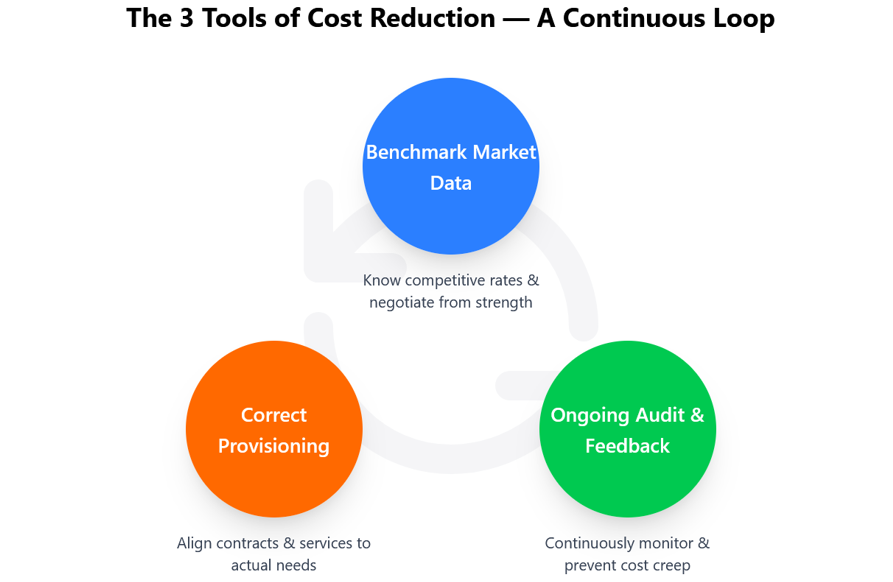
Cutting costs is more effective than spending money.

There is a lot of advice out there that will tell you to put money and time into marketing campaigns, revamped customer service training, new product or service offerings, and other investments to survive the holiday slowdown season.

In general, spending money to make money makes sense. However sometimes it’s just another added worry during an already stressful season, and it’s not guaranteed to make the slowdown period any more lucrative. Having a plan to ensure your budget isn’t overextended during the holiday slowdown is the best  tool available to guarantee a successful holiday season, and an even better new year.

What does this “plan” look like?

  • Developing a comprehensive holiday business plan that includes sales forecasts and contingency efforts.
  • Analyzing past holiday seasons to identify trends and areas for improvement.
  • Managing inventory levels effectively to prevent overstocking or stockouts.
  • Ensuring you’re not overspending on any essential business expenses all year long.

We’ve found that it’s not uncommon for businesses to be overspending on expenses like telecom, payment processing fees, and waste disposal by around 25-30%. Maybe that’s not a huge problem during your peak season, but during a holiday slowdown, that could pose some real consequences. The best thing your business can do to survive slow periods , is make sure all your costs are optimized, all the time.

In conclusion…

Depending on your industry, holiday slowdowns may become unavoidable. While there’s lots of advice out there encouraging you to spend money on shiny new initiatives or campaigns, one of the best things you can do is look for ways to ensure you’re not overspending throughout the entire year.


Terri Braun / November 18, 2025

Check out Justice Design Group

You may have heard of Justice Design Group, but did you know it’s the largest manufacturer of ceramic lighting in the United States? Check out this link for a behind-the-scenes look at how their ceramic fixtures are made!

Cal Wilson / November 17, 2025

How to balance the holiday season with your business’ bottom line.

Depending on your industry – and area of focus – the holiday season can be slow for business. In fact, November to January might bring with it a looming sense of doom, not just related to shorter days and cooler weather, but instead, about your business’ bottom line.

In this article, we take a look at the holiday slowdown that impacts some businesses around this time of year, and some strategies for combatting any potential fiscal consequences it may have.

What is the ‘holiday slowdown’?

As many professionals know, this phenomenon happens when businesses or industries experience a decrease in activity or a slowdown in operations during the holiday season which can make an already tight time of year even more nerve-wracking.

Of course, not all industries are impacted, some sectors thrive during the holiday season. These include:

  • Retail and consumer goods businesses.
  • E-commerce.
  • Hospitality, travel, and tourism.
  • Subscription-based services that bill annually, starting in January.

Some of the industries most affected by the holiday slowdown season are:

  • Service industries that are not directly related to seasonal activities.
  • B2B businesses.
  • Retail businesses that cannot offer online shopping alternatives.

What is the culprit behind this slowdown?

There are a lot of reasons your business might slowdown during the holiday season. Some that might be impacting your business include:

  • Changing consumer priorities.
  • Employee vacations.
  • Business closures.
  • Budget constraints for both your business’ spending and customer spending.

For these reasons, you might find your suppliers take longer to deliver, your clients and contacts don’t return calls or emails, and, altogether, things are just harder to get done. If you’re trying to accomplish work as normal during the holiday season, it might feel like the rest of the world is plotting against you.

There are strategies for combating the slowdown.

Businesses often need to adapt their strategies to navigate the holiday slowdown. Having a plan for this season can often make the difference between starting the new year off strong, or in a deficit. Depending on your industry, there are many tactics worth considering:

  • The launch of holiday-specific promotions, discounts, and other deals to incentivize customer’s purchasing decision.
  • Developing campaigns to encourage the sale of pre-paid gift cards and certificates as holiday presents.
  • Investing in experimental marketing tactics to increase community engagement and local brand awareness.

Of course, depending on what your business specializes in , these might not be viable options.

Cutting costs is more effective than spending money.

There is a lot of advice out there that will tell you to put money and time into marketing campaigns, revamped customer service training, new product or service offerings, and other investments to survive the holiday slowdown season.

In general, spending money to make money makes sense. However sometimes it’s just another added worry during an already stressful season, and it’s not guaranteed to make the slowdown period any more lucrative. Having a plan to ensure your budget isn’t overextended during the holiday slowdown is the best  tool available to guarantee a successful holiday season, and an even better new year.

What does can this “plan” look like?

  • Developing a comprehensive holiday business plan that includes sales forecasts and contingency efforts.
  • Analyzing past holiday seasons to identify trends and areas for improvement.
  • Managing inventory levels effectively to prevent overstocking or stockouts.
  • Ensuring you’re not overspending on any essential business expenses all year long.

We’ve found that it’s not uncommon for businesses to be overspending on expenses like telecom, payment processing fees, and waste disposal by around 25-30%. Maybe that’s not a huge problem during your peak season, but during a holiday slowdown, that could pose some real consequences. The best thing your business can do to survive slow periods , is make sure all your costs are optimized, all the time.

In conclusion…

Depending on your industry, holiday slowdowns may become unavoidable. While there’s lots of advice out there encouraging you to spend money on shiny new initiatives or campaigns, one of the best things you can do is look for ways to ensure you’re not overspending throughout the entire year.
Ian Nairn / November 14, 2025

Building a Simple Continuous Improvement System for Wood River Valley Businesses

Running a business in the Wood River Valley is deeply rewarding — but it often comes with rising operating costs, seasonal rhythms, limited staffing, and the constant challenge of managing vendors, subscriptions, and service contracts.

In my work representing Schooley Mitchell of Idaho, helping local organizations review telecom, software, merchant services, waste contracts, freight, and other recurring expenses, I see a consistent pattern:

Most businesses are paying more than they need to — often by 10–30% — without realizing it.

Not because anyone is careless, but because small fees, outdated plans, and automatic renewals slip by unnoticed.

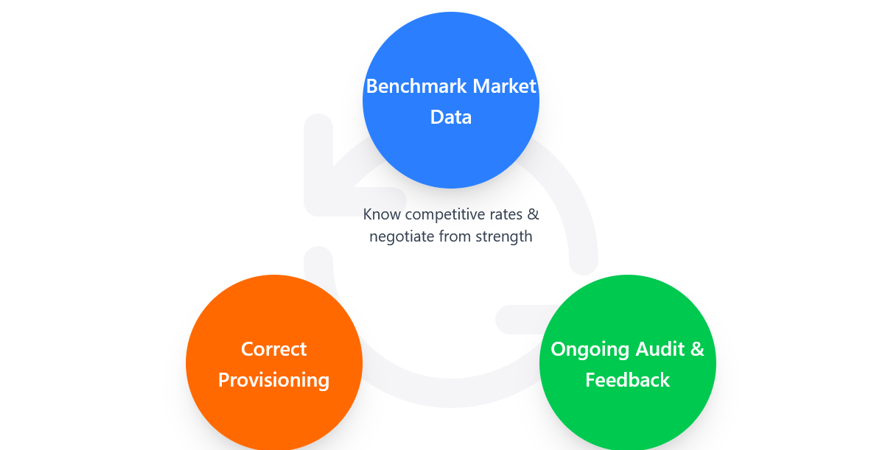
The good news is that a simple Continuous Improvement System (CIS) can give businesses clearer control over their spending without adding complexity or workload. It’s a structure I use with Schooley Mitchell clients across Idaho, and it works for organizations of every size and industry.

Here’s how any local business can start.

1. Gather all recurring costs in one place

Telecom, internet, software subscriptions, merchant services, shipping, waste, and utilities are often scattered across people and departments.

In nearly every Schooley Mitchell engagement I’ve done locally, simply compiling this list reveals hidden charges or outdated services.

2. Review these costs once every quarter

A 90-day rhythm keeps costs from drifting.
During each review:

  • Check for new fees
  • Compare usage to what you’re paying for
  • Confirm pricing is still competitive
  • Flag contracts that are set to auto-renew

This is the same cadence Schooley Mitchell uses when monitoring client accounts — it prevents surprises and keeps spending aligned with current needs.

3. Assign an owner for each category

Even small teams can benefit from clear responsibility.

One person watching subscriptions, another watching telecom, someone else watching waste or merchant services.

When nobody is assigned, costs drift.

When someone is assigned, even lightly, waste drops fast.

4. Keep a one-page dashboard

A CIS doesn’t require software.
A simple dashboard works:

  • Vendors
  • Costs
  • Renewal dates
  • Notes
  • Owner
  • Status

It’s the same type of dashboard I maintain for Schooley Mitchell clients — clean, simple, and actionable.

5. Focus on the categories where drift is most common

Across the Valley, I consistently find overspending in:

  • Telecom & internet (old plans, outdated pricing)
  • Software & subscriptions (unused seats, duplicate tools)
  • Credit card processing (quiet fee changes)
  • Waste & recycling (misaligned service levels)
  • Shipping & delivery (paying for unnecessary speed or surcharges)

These are Schooley Mitchell’s core specialty areas — and also where local businesses tend to see the fastest improvements.

6. Reinvest savings into what matters most

A healthy CIS isn’t about cutting — it’s about redirecting resources where they make a real difference:

  • Staff development and retention
  • Technology upgrades
  • Improving customer experience
  • Seasonal staffing
  • Expanding nonprofit programs
  • Facility repairs or modernization

When organizations free up dollars they’ve been overspending on vendor services, that money stays in the Valley — supporting jobs, stability, and community vitality.

Why this matters for the Wood River Valley

A stronger, more efficient local business community benefits all of us:

  • More stable jobs
  • Healthier nonprofits
  • Better customer experiences
  • Stronger local hiring
  • A more resilient economy

Every dollar saved from unnecessary vendor waste is a dollar that stays right here in our Valley.

Complimentary Savings & Improvement Snapshot

As the local Schooley Mitchell consultant serving the Wood River Valley, I offer a complimentary Savings & Improvement Snapshot to help organizations identify where costs may be drifting.

This includes:

  • A quick review of your recurring vendor expenses
  • Insight into whether your pricing is competitive
  • Identification of hidden fees or outdated services
  • Simple steps to implement your own Continuous Improvement System
  • Optional ongoing monitoring if you want a partner to manage it

This service is free, fast, and designed to support our local business community.

If you’d like to set up a snapshot or ask questions, I’d be happy to help.

John Rumasuglia works with Schooley Mitchell to help Idaho businesses improve margins and free up resources for growth. From Hailey, he supports manufacturers, nonprofits, and service providers across the Wood River Valley. More information is available at www.schooleymitchell.com/jrumasuglia


Ian Nairn / November 13, 2025

Ranse Classic 2025 – Lido Key Beach

This past weekend, I had the chance to hit the sand at the 15th Annual Ranse Classic in beautiful Lido Key Beach — an incredible weekend filled with competition, community, and cause.

What makes this event special isn’t just the volleyball (though we battled our way to a solid 2-2 record!) — it’s what it stands for. The Ranse Classic honors the memory of Ranse Jones, a pro player who suffered a stroke during a tournament, and raises funds for the Ranse Jones Stroke Awareness Fund at Broward Health North.

Proceeds from the tournament help advance stroke education, awareness, treatment, and support throughout the community — and I’m proud to have played a small part in that mission.

Here’s to good competition, great company, and giving back. See you next year, Ranse Classic!

/ November 11, 2025

“I study patience in a lab. Here’s what I’ve found.”

Feeling more impatient lately? It’s not entirely your fault.

Sarah Schnitker, professor of psychology and neuroscience at Baylor University, explains how a culture of instant gratification — fueled by our use of smartphones and on-demand everything — has made patience feel unnecessary. But her research shows that patience helps people stay regulated, persist through challenges, and feel more satisfied with their progress.